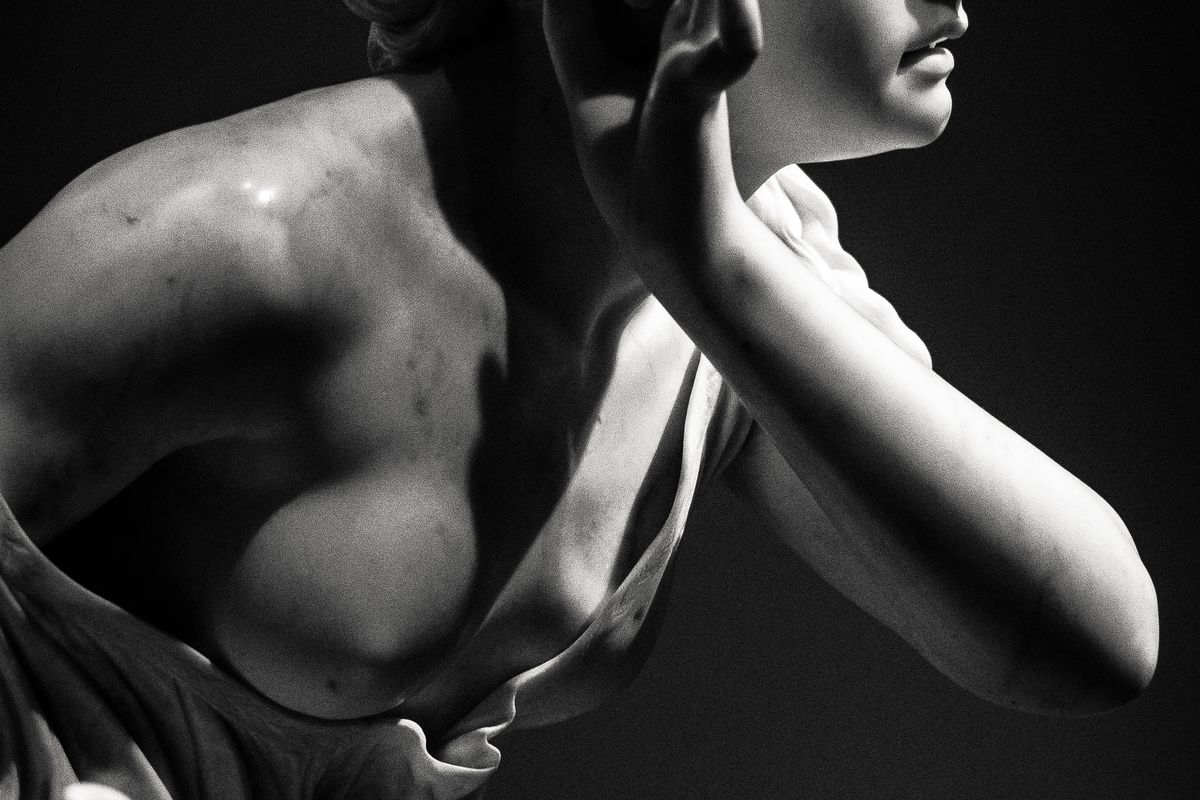
Lighting high-contrast and reflective costumes presents one of the most challenging technical puzzles in stage performance. A black velvet catsuit that photographs beautifully under natural light can disappear entirely under stage floods, while a mirror-finish bodysuit that dazzles in hand can create blinding hotspots and washed-out footage. Understanding how different fabrics interact with stage lighting is essential for designers, performers, and retailers who want their pieces to translate from the fitting room to the footlights.
The Physics Behind the Challenge
Black fabrics absorb most visible light, while white fabrics reflect it across the spectrum, and mirror finishes create specular reflection—bouncing light directly back at specific angles. Under stage lighting, these properties become exaggerated. A black stretch velvet or matte lycra costume needs significantly more light to register visible detail than a performer might expect, while white costumes can blow out camera sensors and overwhelm audience sight lines if not properly managed.
Mirror-finish materials like metallic spandex, holographic fabrics, and sequined pieces add another variable: they create moving points of intense reflection that shift with every gesture. What looks stunning to the naked eye can strobe painfully on video or create inconsistent exposure across a single performance photograph.
Lighting Black Costumes Without Losing Detail
The key to lighting black costumes is creating texture and dimension through strategic light placement rather than simply increasing overall brightness. Side lighting and back lighting become your primary tools. Position fresnel spots at 45-degree angles to graze across the fabric surface, revealing texture in materials like crushed velvet, mesh overlays, or beaded appliqués.
For photographers shooting black burlesque costumes, increase your ISO to 800-1600 rather than relying solely on aperture. This preserves depth of field while capturing fabric detail. A fill light at 25-30% the intensity of your key light prevents shadows from going completely black while maintaining drama.
Fabric selection matters enormously. Matte black fabrics like cotton sateen or crepe-back satin photograph more successfully than high-sheen materials. If shine is essential to the design, consider using it strategically—a wet-look vinyl panel against matte mesh creates natural contrast that cameras can capture. Clever Fashion Media recently covered how costume designers are increasingly mixing fabric finishes within single pieces specifically to solve these lighting challenges.
Managing White and Light-Colored Costumes
White costumes require the opposite approach: reducing overall light intensity while ensuring even coverage. White organza, silk charmeuse, and stretch satin can handle approximately 30-40% less light than you’d use for mid-tone colors. Use diffusion gels—250 Half White Diffusion or 251 Quarter White Diffusion work well—to soften light sources and prevent hotspots.
For retailers photographing white costume pieces for online sales, shooting against a light gray backdrop (18% gray is ideal) rather than pure white helps cameras meter more accurately. Keep your exposure compensation at -0.3 to -0.7 to prevent blown highlights while maintaining fabric texture visibility.
Consider warm gels (CTO or pale gold) for white costumes to prevent the flat, sterile appearance that straight tungsten or LED can create. This adds dimension while keeping whites recognizably white rather than cream or ivory.
Portfolio and Marketing Considerations
When building portfolios or product listings, costume designers should present their pieces under multiple lighting scenarios. A simple solution for creating professional-looking marketing materials without expensive photo shoots is using PixelPanda’s free AI t-shirt mockup generator with real-looking models, which can be adapted for presenting costume designs to potential clients or for initial concept visualization before committing to fabric purchases.
The Mirror-Finish Dilemma
Holographic spandex, mirror-ball fabrics, and sequined bodysuits require the most careful lighting approach. The goal is controlling where reflections appear rather than eliminating them entirely—that would defeat the costume’s purpose.
Use broad, soft light sources positioned above and slightly in front of the performer. Large silk diffusers or softboxes prevent the pinpoint reflections that create camera flares. For video work, adjust your camera’s shutter speed to 1/100 or 1/120 rather than the standard 1/50 to reduce motion blur from moving sequins.
Avoid using more than two hard light sources on mirror-finish costumes. Additional lights multiply reflection points exponentially, creating visual chaos. Instead, use ambient fill and carefully positioned accent lights to build dimension.
Creating Contrast and Visual Interest
The most successful stage presentations often combine these challenging fabrics intentionally. A black mesh sleeve against white feathers against silver sequins gives lighting designers multiple surfaces to work with, ensuring something registers clearly under any lighting condition. This layered approach provides insurance against technical difficulties while creating visual richness.
Understanding these lighting principles transforms costume design from pure aesthetics into performance-ready stagecraft. Whether you’re designing a showgirl headdress, a neo-burlesque conceptual piece, or classic tassel pasties, knowing how your materials will behave under lights ensures your creative vision translates successfully from workroom to spotlight.