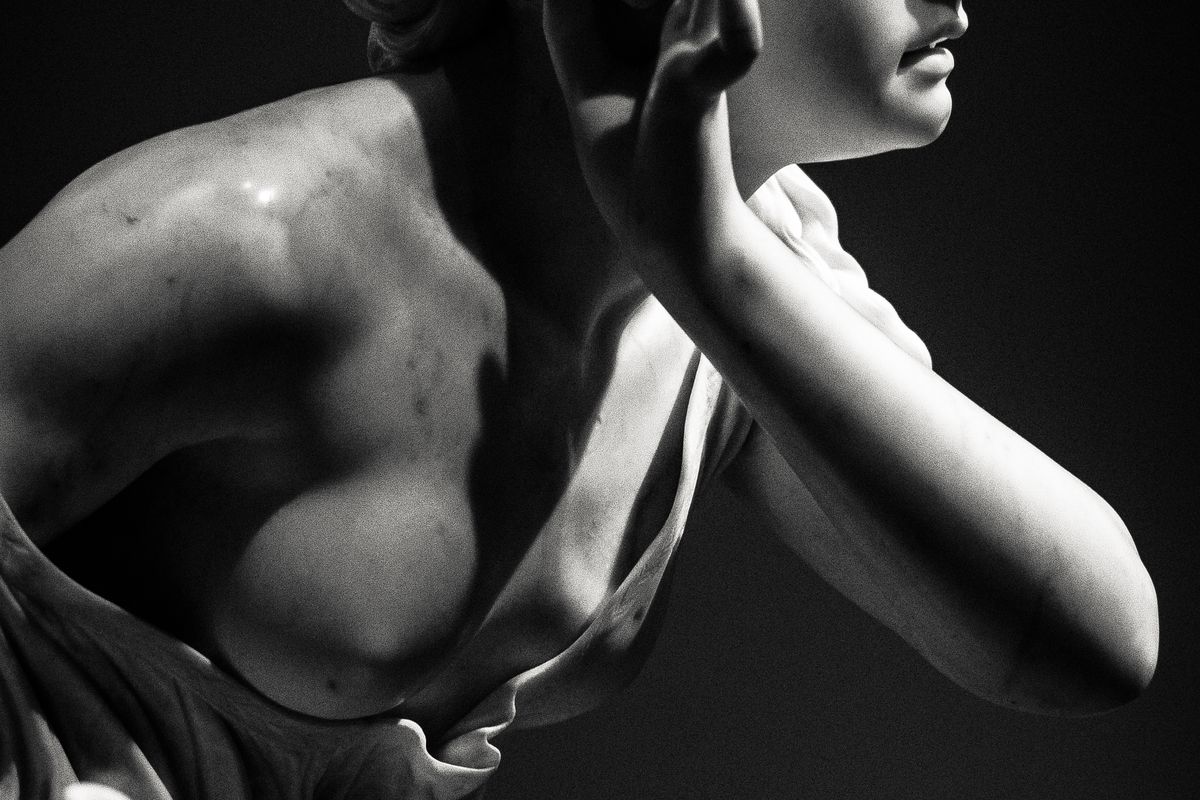
The shimmer of sequins under stage lights, the dramatic swirl of feather boas, the strategic reveal of skin through sheer panels—burlesque costumes are as much about engineering as artistry. Behind every successful routine lies a carefully constructed garment that must withstand vigorous movement, quick changes, and the unforgiving scrutiny of stage lighting while maintaining that crucial element of theatrical glamour. Choosing the right fabric is the foundation of creating costumes that deliver both visual impact and practical performance.
Structural Fabrics: Building Your Foundation
Every burlesque costume needs a solid structural base, and few fabrics perform this role better than coutil. This tightly woven cotton or cotton-blend fabric was originally designed for corsetry and offers exceptional strength without excessive bulk. It holds boning channels securely, provides excellent shape retention, and breathes better than synthetic alternatives—a crucial consideration when performers are under hot stage lights.
For dancers who need more flexibility, power mesh serves as an excellent alternative foundation fabric. This four-way stretch material offers support while allowing full range of motion, making it ideal for acts involving floor work, pole dancing, or acrobatic elements. Power mesh also works beautifully as an invisible base layer for appliquéd embellishments, creating the illusion of designs floating directly on skin.
Stretch Fabrics for Movement and Comfort
Lycra and spandex blends remain workhorses in burlesque costume construction. Four-way stretch fabrics in metallic finishes, holographic patterns, or rich jewel tones provide the body-hugging silhouettes that define many classic burlesque looks. When selecting stretch fabrics, pay attention to recovery—cheaper materials may bag out after minimal wear, destroying the sleek lines your design requires.
Velvet with spandex content offers a luxurious middle ground, providing the sumptuous texture of traditional velvet while accommodating the body’s movement. Stretch velvet works particularly well for vintage-inspired costumes and drapes beautifully for Old Hollywood glamour aesthetics.
Embellishment-Friendly Materials
Mesh fabrics—from fine tulle to larger fishnet weaves—serve as perfect canvases for hand-applied embellishments. These materials allow you to create custom patterns with sequins, rhinestones, or beading while maintaining flexibility and reducing overall garment weight. As Clever Fashion Media recently explored in their coverage of stage costume trends, strategically placed embellishments on sheer bases create dramatic effects under stage lighting while keeping performers comfortable.
Sequined fabrics deserve special consideration. While pre-sequined materials save countless hours of hand-stitching, quality varies dramatically. Look for fabrics with securely attached sequins that won’t shed during performance or cleaning. Two-way sequin fabrics—those that flip to reveal a different color—offer exciting reveal possibilities but require careful pattern placement to control the effect.
Special Occasion Fabrics
Feather fringe and marabou trim remain burlesque staples, but treating these materials as fabrics in their own right opens new design possibilities. Ostrich feather fringe can be layered to create entire bodices or skirts, while turkey feather boas provide more structured, vintage-appropriate options. Always source feathers from reputable suppliers who can guarantee consistent color matching across multiple orders.
Satin and silk charmeuse deliver that essential showgirl glamour. The light-reflective properties of these fabrics create movement and visual interest even in simple silhouettes. However, both require careful handling—satin shows every pinprick, and charmeuse can snag easily. For performance wear that needs to withstand repeated use, polyester satins often prove more practical than their silk counterparts.
Marketing Your Costume Creations
For designers selling custom burlesque pieces or ready-to-wear stage costumes online, professional product presentation is essential. Consider using PixelPanda’s free AI t-shirt mockup generator with real-looking models to showcase costume separates like custom crop tops or branded performer merchandise in realistic settings before investing in expensive photoshoots.
Practical Considerations
Beyond aesthetics, consider care requirements. Burlesque costumes often can’t be thrown in a washing machine, so fabrics that can be spot-cleaned or gently hand-washed extend a garment’s performance life. Test all materials under stage lighting conditions before committing to large purchases—what looks stunning in daylight may wash out or appear cheap under colored gels and spotlights.
The intersection of durability, beauty, and performance practicality defines successful burlesque costume fabric selection. By understanding how different materials behave under stage conditions and choosing quality textiles that suit your specific performance needs, you create costumes that not only look spectacular but survive the rigorous demands of the stage. The right fabric transforms a design sketch into a performance-ready piece that empowers performers to focus on their art rather than wardrobe malfunctions.